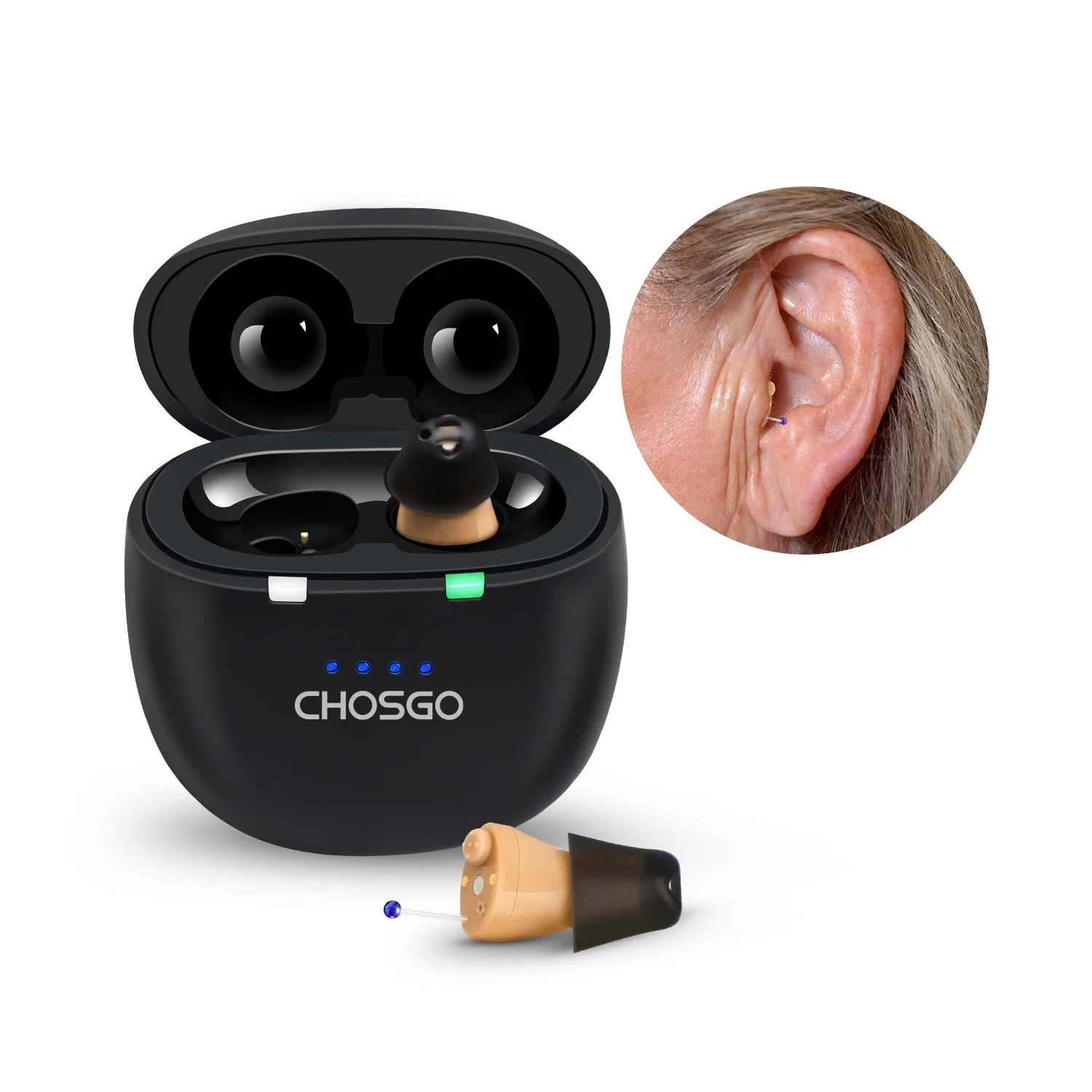
In the modern world, the evolution of assistive technology has completely transformed the way individuals with hearing loss engage with their surroundings. One of the most significant breakthroughs in this field is the development of Bluetooth hearing aids. These innovative devices have bridged the gap between traditional amplification and the digital ecosystem we use daily. By integrating wireless connectivity directly into a medical-grade hearing instrument, Bluetooth hearing aids offer a level of convenience and sound clarity that was previously unimaginable. Whether you are navigating a busy office or relaxing at home, the presence of Bluetooth hearing aids ensures that you remain connected to the people and media that matter most.
The primary benefit of Bluetooth hearing aids lies in their ability to stream high-quality audio directly from various electronic devices. In the past, people wearing hearing instruments often struggled to use telephones or headphones comfortably. However, Bluetooth hearing aids effectively turn the devices into a pair of high-fidelity wireless earbuds. This direct streaming capability of Bluetooth hearing aids means that phone calls, music, and podcasts are delivered straight to the wearer’s ears without the interference of background noise. Because the signal is digital and direct, Bluetooth hearing aids provide a much crisper sound than if the audio were travelling through the air from a speaker to a microphone.
Direct Streaming and Communication
For many users, the most valuable aspect of Bluetooth hearing aids is the improvement in telephone communication. Standard phone conversations can be challenging for those with hearing impairment, as the audio is often thin and one-dimensional. With Bluetooth hearing aids, the caller’s voice is streamed directly into both ears simultaneously. This binaural streaming provided by Bluetooth hearing aids makes it significantly easier to process speech, even in environments with substantial ambient noise. Furthermore, many modern Bluetooth hearing aids support hands-free calling, allowing the wearer to answer a call with a simple tap on the device, keeping their smartphone in their pocket or bag.
Beyond phone calls, Bluetooth hearing aids excel at enhancing the television viewing experience. It is a common frustration in many households when one person requires a much higher volume than others. By using a compatible transmitter, Bluetooth hearing aids allow the wearer to stream the television audio at their own preferred volume level. Meanwhile, the television speakers can remain at a volume that is comfortable for everyone else in the room. This specific advantage of Bluetooth hearing aids fosters a more harmonious home environment and ensures that the wearer does not miss a single word of their favourite programme.
Discreet Control and Personalisation
The integration of smartphone applications is another area where Bluetooth hearing aids truly shine. Most manufacturers provide dedicated apps that allow users to fine-tune their listening experience from their mobile screen. Through these apps, users of Bluetooth hearing aids can adjust the volume, change programmes for different environments, and even modify the frequency response to suit their specific needs. This level of control makes Bluetooth hearing aids incredibly versatile, as the wearer can transition from a quiet library to a noisy restaurant and adjust their settings discreetly without ever touching the devices behind their ears.
In addition to basic adjustments, the apps associated with Bluetooth hearing aids often include advanced features such as “find my hearing aid” functions. If a device is misplaced, the Bluetooth signal can help track its last known location, providing immense peace of mind. Some Bluetooth hearing aids also offer remote support, where an audiologist can make real-time adjustments to the device settings via the internet. This means that a wearer of Bluetooth hearing aids can receive professional fine-tuning from the comfort of their own home, reducing the need for frequent clinic visits and ensuring the devices are always performing at their best.
Improved Sound Quality and Localisation
The technology inside Bluetooth hearing aids is designed to work in harmony. When a pair of Bluetooth hearing aids is worn, the two devices communicate with each other constantly to create a natural, 360-degree soundscape. This synchronisation, facilitated by the wireless link in Bluetooth hearing aids, helps the brain determine exactly where a sound is coming from. Improved localisation is a key safety feature, as it allows the wearer of Bluetooth hearing aids to identify the direction of approaching traffic or an alarm more accurately.
Furthermore, the digital nature of Bluetooth hearing aids allows for sophisticated noise reduction algorithms. These devices can identify the difference between speech and background noise, prioritising the sounds the wearer wants to hear. When streaming audio, Bluetooth hearing aids can often “mute” or significantly reduce the external microphones, allowing the user to focus entirely on their music or call. This flexibility is a hallmark of Bluetooth hearing aids, ensuring that the user is always in control of their auditory environment.
Enhanced Lifestyle and Social Engagement
The psychological impact of using Bluetooth hearing aids should not be underestimated. Hearing loss can often lead to social withdrawal and a feeling of isolation. By making communication easier and more natural, Bluetooth hearing aids encourage users to remain active in their social circles. The ability to participate in video calls with grandchildren or attend a work meeting via a laptop becomes much more accessible when the audio is delivered clearly through Bluetooth hearing aids. This increased engagement can lead to improved mental well-being and a more fulfilling lifestyle.
Moreover, the versatility of Bluetooth hearing aids appeals to a wide range of age groups. While older adults appreciate the clarity for TV and phone calls, younger, tech-savvy users value the way Bluetooth hearing aids integrate with their gadgets. Whether it is receiving turn-by-turn navigation prompts from a GPS app or listening to a workout playlist at the gym, Bluetooth hearing aids fit seamlessly into an active, modern routine. The stigma once associated with hearing instruments is rapidly fading as Bluetooth hearing aids become seen as a sophisticated piece of wearable technology.
Battery Efficiency and Reliability
One concern often raised about wireless technology is the impact on battery life. However, the latest generation of Bluetooth hearing aids utilises “Bluetooth Low Energy” protocols. This ensures that Bluetooth hearing aids can provide hours of streaming without significantly draining the battery. Many Bluetooth hearing aids are now available in rechargeable formats, meaning the user can simply place them in a charging dock overnight and have a full day of power, including several hours of streaming, the next morning. This convenience eliminates the need to carry around small, fiddly disposable batteries, making Bluetooth hearing aids even more user-friendly.
The reliability of the connection in Bluetooth hearing aids has also improved significantly over recent years. While early wireless models might have suffered from occasional dropouts, modern Bluetooth hearing aids offer stable, robust connections to both Apple and Android devices. The range of the connection typically extends up to ten metres, allowing the wearer of Bluetooth hearing aids to move around a room without losing their audio stream. This stability is crucial for maintaining the “set and forget” experience that many users of Bluetooth hearing aids desire.
Future-Proofing Your Hearing
As we look toward the future, the technology found in Bluetooth hearing aids is only going to become more integrated into public spaces. New standards, such as Auracast, are being developed to allow Bluetooth hearing aids to pick up audio broadcasts in places like airports, cinemas, and lecture halls. By choosing Bluetooth hearing aids today, users are ensuring that they are prepared for these upcoming advancements in public accessibility. The investment in Bluetooth hearing aids is not just about solving today’s hearing challenges but about staying connected to the world as it continues to evolve.
In conclusion, the advantages of Bluetooth hearing aids extend far beyond simple amplification. They represent a fundamental shift in how we approach hearing healthcare, prioritising connectivity, personalisation, and ease of use. From the crystal-clear audio of a direct stream to the discreet control of a smartphone app, Bluetooth hearing aids empower individuals to take charge of their hearing. By reducing the effort required to listen and increasing the opportunities for connection, Bluetooth hearing aids significantly enhance the quality of life for anyone experiencing hearing loss. For those looking to combine medical-grade performance with modern convenience, Bluetooth hearing aids are undoubtedly the gold standard in contemporary hearing technology.
Get in Touch:
Audilife
audilife.co.uk