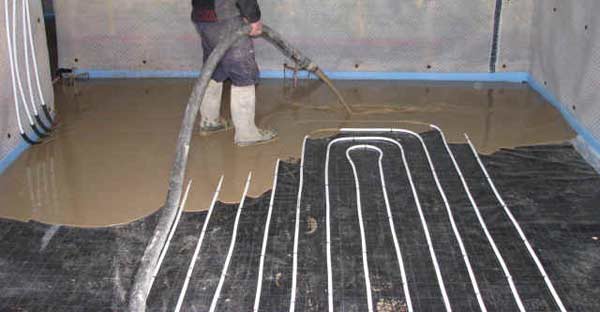
Floor screed might not be the first thing you think of when you think about building, but it is a very important part of making a good floor. Screed is a mixture of sand and cement that is usually used to make a smooth, level base for finished floors. Using floor screed can make a big difference in how long a building lasts, how well it works and how nice it looks. Let’s look at some of the reasons why you might want to use floor screed in your next job.
Making a Surface Level
One of the best things about using floor cement is that it helps make sure the floor is perfectly level. Uneven flooring can cause a lot of problems, from making the finished floor look bad to causing structural damage over time. A well-laid screed makes a perfect, flat base that ensures a high-quality finish, whether the flooring is tiles, wood, carpet, or resin.
Improving the strength of structures
Floor screed is an important part of a floor’s structural strength. Its surface is hard and strong, so it can hold heavy loads. This makes it perfect for business and industrial spaces that get a lot of foot traffic or store heavy equipment. Because of this, screed floors tend to last longer than other types of flooring and need less upkeep and repairs. This can save a lot of money over time.
Insulation for heat and sound
When used with the right insulation materials, floor screed can help a building keep its heat better. It makes ground heating systems work better by spreading the heat evenly throughout the room. Screed’s high thermal conductivity makes sure that the heating system works better, which saves energy and lowers electricity costs.
Also, some types of screed, like acoustic screed, are made to reduce the amount of noise that travels between floors, making the space inside more peaceful and quiet.
Moisture Control
Floor screed is a good moisture barrier that keeps dampness from rising up from the base and causing damage to the floor. This is especially helpful in places that tend to get damp, like basements or ground floors.
Quick to install and quick to dry
With the growth of advanced screeding methods like flowing or liquid screed, installation and drying times have been cut down by a lot. These screeds can be pumped right onto the floor, where they fill all the gaps and spread out equally. It makes it possible to cover large areas quickly and effectively, which can be a huge benefit for projects with tight deadlines.
Versatility
Floor screed is very flexible and can be used in a lot of different places, from homes and houses to businesses and factories. Also, there are different kinds of screed, like bound, unbonded, and floating screed, so there is a good choice for almost any need or situation.
Flexibility in style
Screed is usually used as a base for other flooring materials, but polished or coloured screed can be used on its own as a finished floor surface. This can give a room a modern, industrial look that is popular in offices, restaurants, and new homes.
Making the Choice to Use Floor Screed
There are many reasons to use floor screed, but it’s important to think about whether it’s right for your job. What kind of screed is used should rely on the type of building, what the space is used for, and what kind of finish is wanted. To get the most out of the screed’s properties, it’s also important to make sure it’s installed properly. If the screed isn’t put down right, it can cause a lot of problems, like cracking, bending, or coming apart. Because of this, you should hire a skilled screeding contractor to do the job.
Even though screed has many benefits, it may not always be the most cost-effective option, especially for smaller projects or home renovations. In these situations, other choices, like self-leveling compounds, might be better.
Conclusion
Even though floor screed is often hidden from view, it is an important part of building that has many benefits. There are many good reasons to use floor screed, such as making a flat surface, improving energy efficiency, reducing noise, and giving you more options for how the floor looks. Homeowners, architects, and construction professionals can make the best choices for their projects’ efficiency, durability, and overall look if they know what its benefits are and when it should be used.