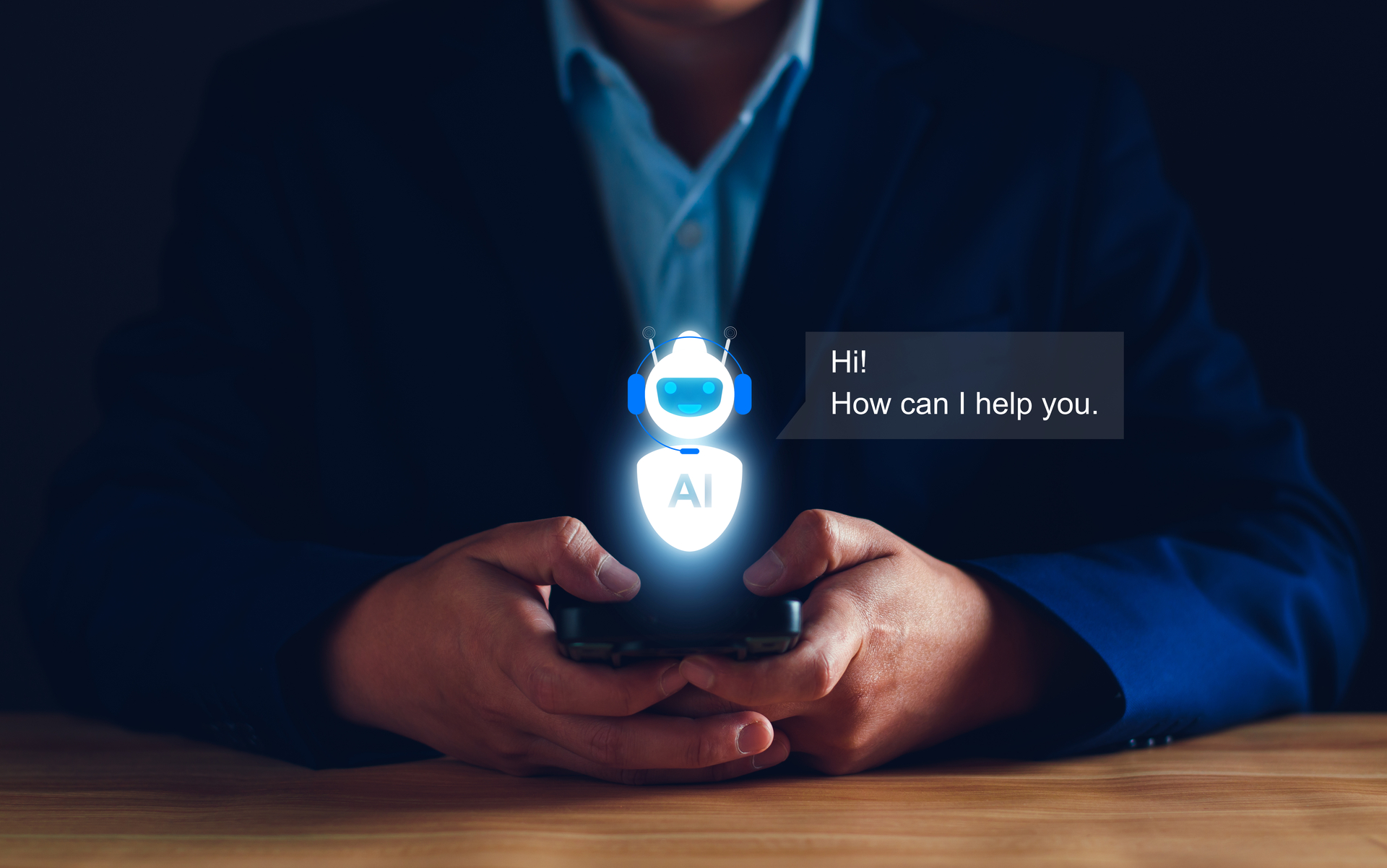
Artificial intelligence has rapidly become one of the most influential technologies within modern business operations. From customer service and sales support through to workflow automation and internal knowledge management, AI-powered systems are now helping organisations improve efficiency, communication and user experience across a wide range of industries. Among the most significant developments has been the rise of AI chatbot technology, allowing businesses to provide instant responses, automate repetitive tasks and support users around the clock.
As adoption continues to grow, many organisations are beginning to explore alternatives to fully cloud-dependent chatbot solutions. This has led to increasing interest in the benefits of using a self-hosted AI chatbot platform. Rather than relying entirely on third-party infrastructure, businesses are recognising the advantages of hosting AI systems within their own environments, giving them greater control over data, customisation, security and long-term scalability.
The decision to implement a self-hosted AI chatbot platform is often driven by a combination of operational, technical and strategic considerations. Businesses are becoming more aware of the importance of data ownership, privacy and system flexibility, particularly as AI becomes more deeply integrated into customer-facing services and internal operations. For many organisations, self-hosting offers an opportunity to create more tailored AI experiences while maintaining greater oversight of how systems are managed and deployed.
One of the biggest reasons companies choose a self-hosted AI chatbot platform is the level of control it provides. With fully hosted third-party systems, businesses are often restricted by external limitations surrounding features, integrations, data usage policies and platform updates. By contrast, self-hosting allows organisations to manage the environment themselves, providing greater freedom to customise workflows, integrate with internal systems and adapt functionality around specific operational requirements.
Data privacy is another major factor contributing to the growing popularity of the self-hosted AI chatbot platform model. Many businesses handle sensitive customer information, internal documentation or proprietary data that they may not wish to process through external services. Hosting AI systems internally can help organisations maintain tighter control over how information is stored, accessed and managed. This is particularly important for industries where confidentiality, compliance and data governance play a central role.
The flexibility offered by a self-hosted AI chatbot platform also appeals to businesses with more advanced technical requirements. Different organisations often need chatbot systems capable of integrating with existing databases, CRMs, internal applications and communication tools. Self-hosted environments can provide significantly more freedom when building these integrations, allowing companies to create AI solutions tailored closely to their workflows and operational goals.
Another reason businesses increasingly invest in a self-hosted AI chatbot platform is long-term scalability. As AI adoption expands, organisations often require systems capable of handling growing workloads, larger user bases and increasingly complex tasks. Self-hosted infrastructure allows businesses to scale resources according to their own needs rather than being restricted by third-party platform limitations or pricing structures.
Performance and reliability are also important considerations. Many organisations prefer maintaining direct oversight of system infrastructure, server resources and uptime management. A self-hosted AI chatbot platform can often be optimised specifically for the company’s environment, helping improve performance consistency and reducing reliance on external providers for system availability.
Customisation is another significant advantage associated with self-hosted AI systems. Businesses increasingly want chatbot experiences that reflect their own branding, communication style and operational processes. A self-hosted AI chatbot platform allows developers and technical teams to adjust interfaces, workflows and conversational behaviour more freely than many standard hosted solutions permit. This level of customisation can help create more natural and effective user experiences for both customers and employees.
As AI technology becomes more sophisticated, businesses are also beginning to use chatbots for increasingly complex internal functions. Beyond customer support, AI chatbots are now assisting with onboarding, training, internal documentation access, scheduling and knowledge management. A self-hosted AI chatbot platform provides organisations with the flexibility to deploy these tools internally while maintaining greater control over access permissions and sensitive operational data.
Cost management can also become a factor over the long term. While self-hosting may require greater initial technical setup and infrastructure planning, some businesses find that maintaining their own systems provides more predictable long-term operating costs compared to usage-based pricing models associated with many external AI services. Organisations with large user volumes or intensive AI workloads may especially benefit from this level of financial predictability.
Security considerations continue to influence the move toward self-hosting as well. Cybersecurity and data protection have become major priorities across nearly every industry. Many organisations prefer a self-hosted AI chatbot platform because it allows them to implement their own security policies, authentication systems and infrastructure protections according to internal standards and compliance requirements.
The growing popularity of remote work and distributed teams has also contributed to increased interest in AI automation. Businesses now rely heavily on digital communication tools and automated systems to support employees working across different locations and time zones. A self-hosted AI chatbot platform can help centralise internal support and provide employees with instant access to information, reducing delays and improving operational efficiency.
Another major advantage of self-hosting lies in the ability to experiment and innovate more freely. Businesses operating their own AI infrastructure often gain greater flexibility when testing new models, workflows or integrations. This freedom allows technical teams to adapt AI systems more quickly in response to changing business needs, industry trends or user feedback.
Many organisations are also attracted to the independence that comes with a self-hosted AI chatbot platform. Relying heavily on external providers can sometimes create uncertainty around future pricing changes, service limitations or platform policy updates. By managing infrastructure internally, businesses may feel more confident about maintaining continuity and retaining full ownership of their AI operations over the long term.
The ability to integrate proprietary knowledge and internal datasets is another important reason companies choose self-hosting. AI chatbots are often significantly more useful when trained or configured around company-specific information. A self-hosted AI chatbot platform can allow businesses to securely connect internal documents, product databases and operational resources without relying entirely on external processing environments.
Modern consumers and employees also increasingly expect fast, intelligent and personalised digital interactions. AI chatbots are now expected to provide more than basic scripted responses. Businesses want systems capable of understanding context, handling more complex conversations and adapting to different user needs. A self-hosted AI chatbot platform provides greater flexibility for organisations looking to refine conversational quality and continuously improve the user experience.
As artificial intelligence continues evolving, many companies are beginning to view AI infrastructure as a long-term strategic asset rather than simply an external service. This shift in mindset is helping drive interest in self-hosting, particularly among organisations focused on digital transformation, operational efficiency and future scalability. A self-hosted AI chatbot platform allows businesses to build internal AI capabilities that can evolve alongside the organisation itself.
The demand for more transparent and controllable AI systems is also influencing adoption. Businesses increasingly want greater visibility into how AI tools operate, process information and generate responses. Self-hosting allows technical teams to monitor system behaviour more closely and make adjustments based on performance, compliance or operational requirements.
The ability to maintain stronger branding consistency is another benefit often associated with a self-hosted AI chatbot platform. Businesses can design chatbot experiences that align closely with their tone of voice, customer journey and visual identity, helping create more seamless digital interactions across websites, applications and support channels.
As AI technology becomes increasingly embedded within modern business environments, the importance of flexibility, security and ownership is likely to continue growing. Organisations are becoming more selective about how AI systems are deployed and managed, particularly when sensitive data, customer communication and operational workflows are involved.
A self-hosted AI chatbot platform provides businesses with greater control over infrastructure, security, customisation and long-term scalability while supporting more tailored AI experiences for both customers and employees. Whether used for customer support, internal automation, knowledge management or workflow optimisation, self-hosting offers organisations the opportunity to build AI systems aligned closely with their specific operational goals and technical requirements.
As businesses continue investing in artificial intelligence and automation, the move toward self-hosted solutions is likely to become increasingly common. The combination of data ownership, flexibility, security and customisation makes the self-hosted AI chatbot platform model an attractive option for organisations looking to take greater control of their AI future while building systems designed around long-term growth, efficiency and innovation.